
Industrial Interior Design Singapore: The Hidden Quality Markers Experts Look For

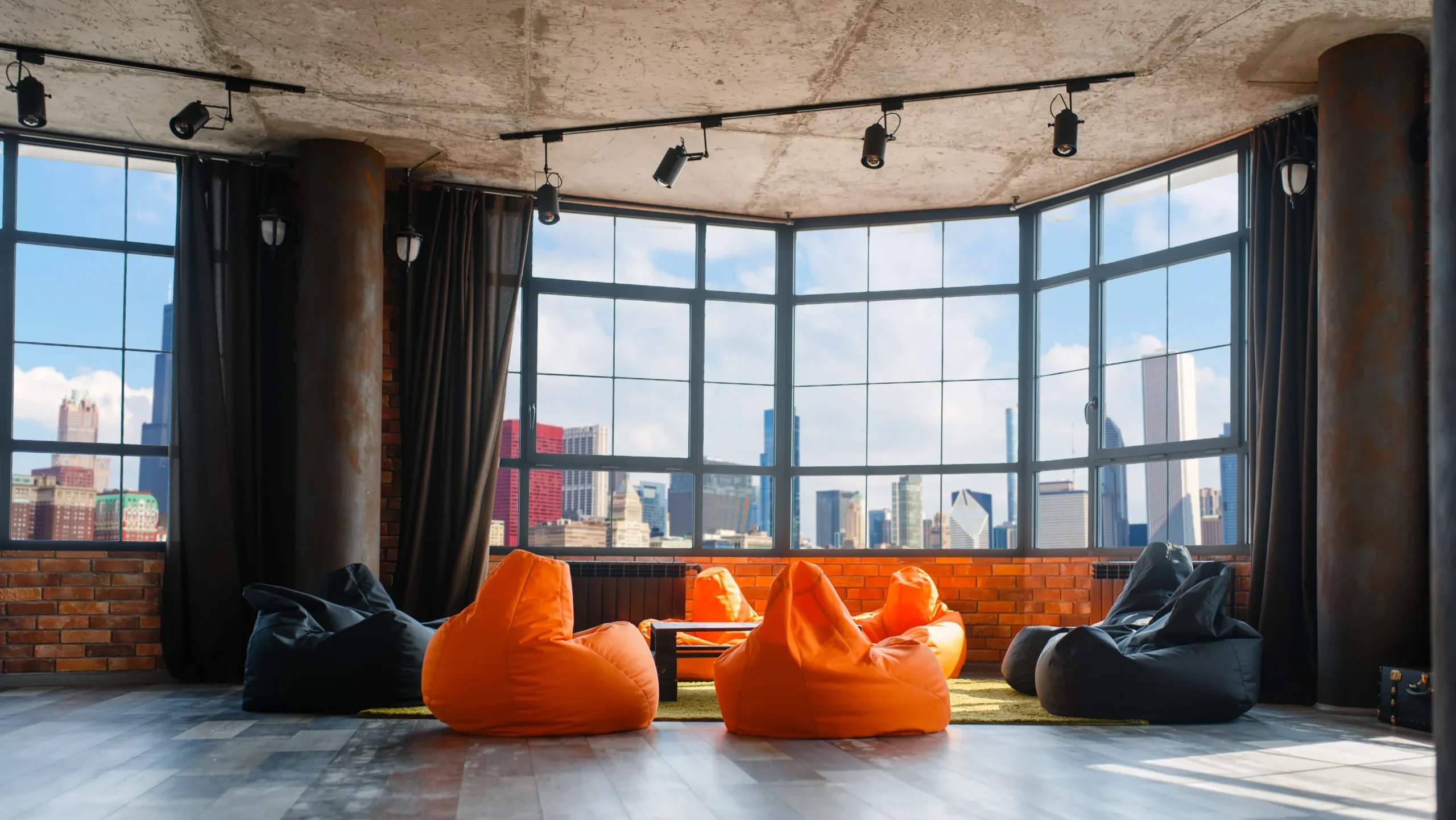
Table of Contents
Industrial interior design in Singapore has evolved quickly, especially in HDBs and condos where every inch of space matters. Inspired by warehouse-style interiors, the industrial look has been adapted to feel modern, practical and well suited for local homes.
Creating a high-quality industrial space takes more than exposed brick or raw finishes. Good designers focus on smart material choices, functional layouts and precise workmanship that make the home feel intentional and long lasting. This article takes a closer look at the key details that define a truly well executed industrial interior.
The Visible Appeal: What Makes Industrial Design Stand Out
The raw, unfinished look of industrial design brings authenticity and character to spaces. This style turns typically hidden architectural elements into standout features that give industrial interiors their unique edge.
Exposed brick, pipes, and beams
The foundation of industrial interior design lies in leaving structural components visible. Exposed brick walls serve as textural focal points that add warmth and character to spaces. Rather than covering these elements, top designers deliberately highlight them, allowing natural imperfections in the brickwork to create genuine, lived-in atmospheres.
Furthermore, exposed pipes, ducts, and electrical trunking contribute significantly to the industrial appeal. These elements, typically painted in black or metallic finishes, create striking visual contrast against brick or concrete surfaces. Singapore designers often showcase water pipes and ventilation systems as deliberate design statements rather than functional necessities to achieve that authentic factory-like atmosphere.
Visible ceiling beams, whether wooden or metal, complete the structural trio. These overhead elements draw the eye upward, emphasising height and creating a sense of spaciousness that complements the open-plan layouts common in industrial design.
Neutral colour palettes with contrast
Industrial spaces usually rely on darker neutral tones such as grey, black, brown and white. To prevent the look from feeling cold, designers balance these shades with warmer undertones and thoughtful contrasts.
Earthy colours like creamy beige and dusty brown work especially well with industrial materials, adding a sense of comfort to the cool aesthetic. Brave Ground, a warm earthy tone, is a strong foundation that lets other features stand out naturally.
To create visual interest, metallic accents in copper, brass or stainless steel are often added. Small touches of bold colours like deep red or electric blue can also lift the space without taking away from the industrial style.
Statement lighting and ceiling fans
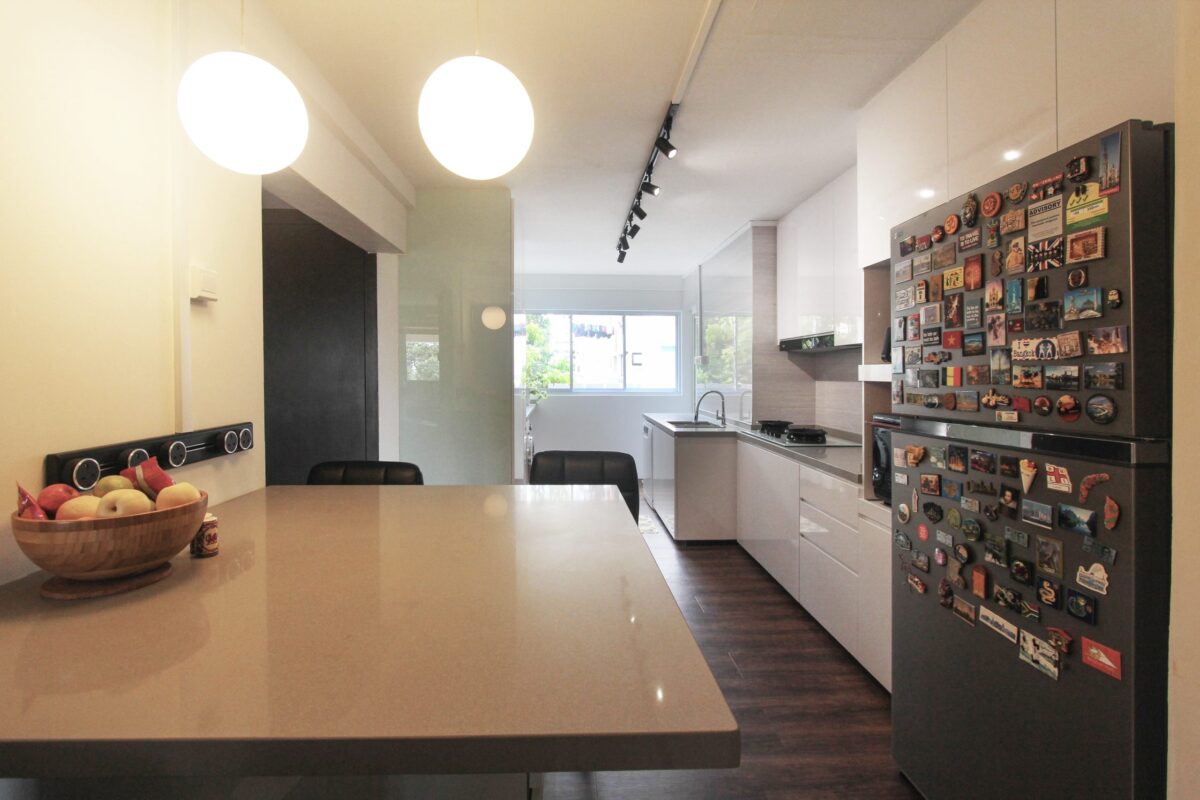
Lighting serves as both functional necessity and design statement in industrial spaces. Pendant lights with exposed bulbs, vintage-inspired wall sconces, and oversized dome lamps not only illuminate but become sculptural focal points.
Edison bulbs remain particularly popular, as do black metal fixtures, track lighting, and adjustable wall-mounted lamps that highlight textural elements like exposed brick. These fixtures create dramatic shadows and define zones within open spaces.
Industrial ceiling fans, particularly the High-Volume Low-Speed (HVLS) variety, complement this aesthetic perfectly. With their large diameter blades and minimalist designs, these fans move air efficiently while making a bold design statement. Modern versions combine sleek, industrial aesthetics with energy-efficient technology, featuring thin aluminium aerofoils and brushless motors that consume significantly less power than traditional models.
Beyond Aesthetics: Materials That Last
Materials in industrial interior design must perform beyond their rugged good looks, especially in Singapore’s challenging climate. Expert designers select elements that maintain their integrity through years of use, balancing aesthetic appeal with practical durability.
Concrete, metal, and wood balance
Core materials are what give industrial interiors their depth and balance. Concrete often acts as the main foundation, offering sleek minimalism and versatility for floors, walls and countertops. It is also low maintenance when properly sealed, making it suitable for active households.
Metal adds character through both structure and detail. Steel, iron and aluminium are commonly used in furniture frames, shelving and fixtures, with matte or slightly weathered finishes that highlight the raw industrial look.
Wood brings warmth to offset the coolness of concrete and metal. Reclaimed timber adds richness and texture, while in Singapore’s humid climate, durable options like teak perform far better than softwoods that can warp or fade.
Humidity-resistant finishes
Singapore’s tropical climate, with humidity often between 75 and 90 percent, requires materials that can handle moisture without damage. High quality industrial interiors use humidity-resistant finishes such as five-layer polyurethane coatings that help prevent warping even in challenging conditions.
Limewash, made from natural lime and marble dust, is another strong option as it allows walls to breathe while resisting moisture and adding subtle texture. For spill-prone areas, metallic epoxy on floors or countertops offers superior protection against moisture and stains, making it a better choice than raw concrete or wood in kitchens and bathrooms.
Eco-friendly and sustainable options
Contemporary industrial design increasingly embraces sustainability without compromising style. Low-carbon concrete alternatives incorporate fly ash or recycled aggregates to reduce environmental impact, whilst maintaining the distinctive industrial aesthetic.
Recycled metals from salvaged structures add authenticity alongside environmental benefits. Additionally, FSC-certified reclaimed wood ensures responsible sourcing whilst adding character through visible history in grain patterns and markings.
Rapidly renewable resources like bamboo offer both sustainability and durability, growing quickly without requiring pesticides or herbicides. For healthier indoor environments, top designers select water-based, non-toxic paints that meet European eco-label standards whilst maintaining the muted colour palette characteristic of industrial spaces.
Space, Function, and Flow in Industrial Homes
Effective spatial planning forms the backbone of successful industrial interior design, transforming even the most compact Singapore apartments into functional, stylish spaces. In industrial design, how a space flows is just as crucial as its aesthetic elements.
Open-plan layouts for small spaces
In Singapore’s typically compact living environments, open-plan layouts have become a cornerstone of industrial interior design. By removing unnecessary walls and partitions, these spaces immediately feel more expansive and versatile. This approach allows natural light to flow freely throughout the home, enhancing industrial elements like concrete floors or metal accents.
Open layouts create a more social and interactive environment, encouraging communication between family members. Parents can keep an eye on children while cooking or working, helping families stay connected despite busy schedules. Moreover, this design philosophy adapts well to urban living conditions, compact HDB flats and condominiums may not resemble sprawling warehouses, yet industrial style can be effectively tailored to these spaces.
Zoning without walls using dividers
Even with an open layout, good industrial interiors still need clearly defined zones. Furniture placement helps guide movement and signal how each space is meant to function. For example, positioning a sofa with its back facing the dining area creates a gentle sense of separation while keeping the space connected.
Rugs also play a key role in anchoring different areas. A large rug can define the living zone, while another under the dining table helps set that space apart. Industrial-style dividers with slim profiles, dark panels and steel or aluminium frames add both structure and style. Glass partitions with black metal frames maintain the open feel while still providing effective separation.
Storage solutions that blend with design
Industrial storage solutions must balance style with practicality. Open shelving units positioned perpendicular to walls create boundaries while allowing light to pass through. These serve as both storage and architectural features that define space without disrupting flow.
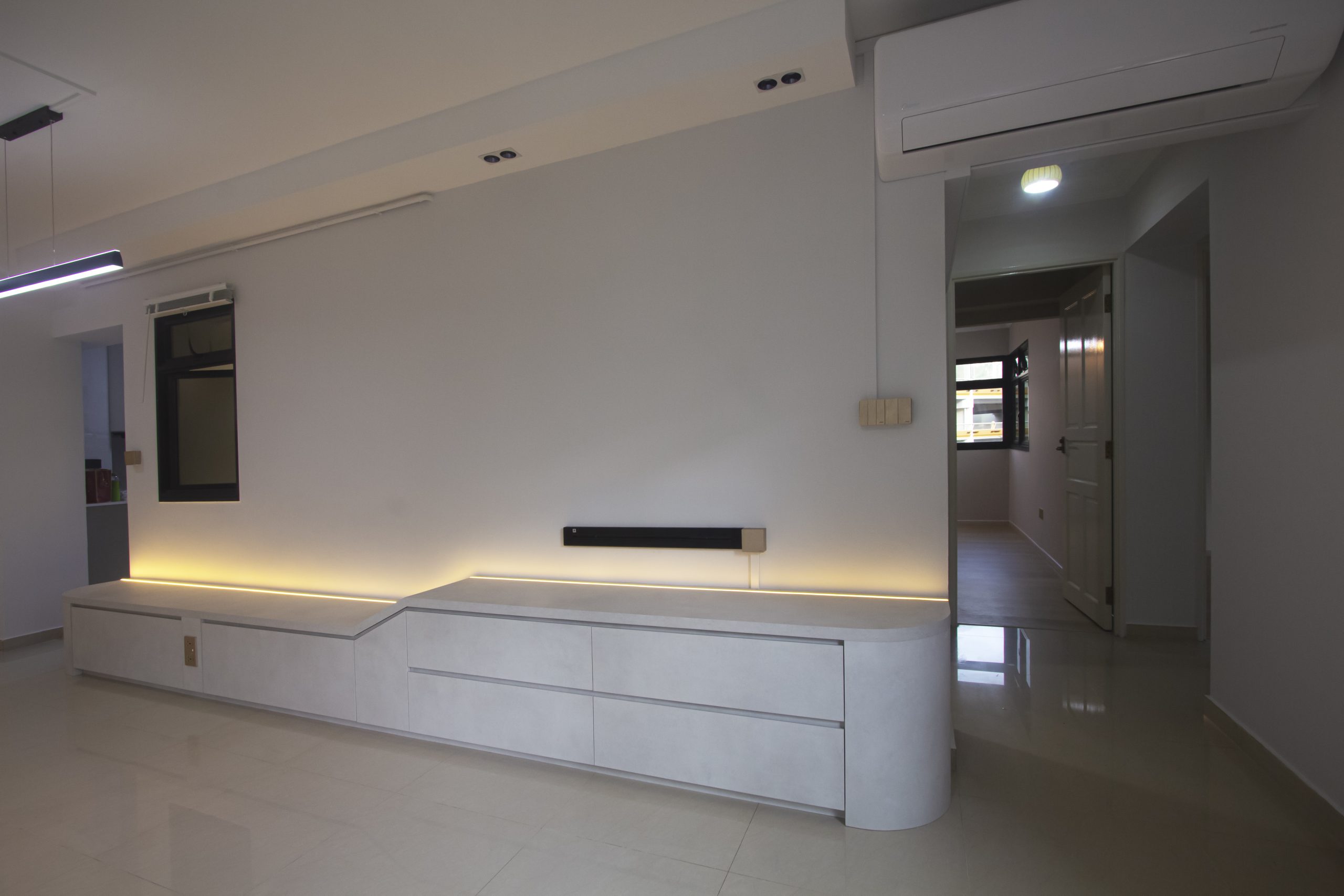
Chrome units and matte black urban wardrobe items offer cool, industrial New York loft vibes while keeping possessions organised. The versatility of these systems allows for wall-to-wall shelving or spreading units as needed. Additionally, custom-built TV panels or cabinets serve as excellent options for dividing spaces while adding practical value. These bespoke carpentry solutions combine functionality with a polished, tailored look that complements the industrial aesthetic.
The Expert’s Checklist: What Sets Top Interior Design Apart
Professional designers distinguish exceptional industrial interior spaces through subtle quality markers that often go unnoticed by untrained eyes. Beyond the obvious aesthetic elements lies a world of meticulous attention that truly separates outstanding industrial design from basic imitations.
Attention to detail in fittings and alignment
Well executed industrial interiors pay close attention to alignment and detail. Exposed pipes run neatly parallel to walls, and ceiling beams are spaced with precision rather than placed randomly. Even decorative industrial elements follow planned layouts to keep the look intentional. Quality fittings such as door handles and cabinet hinges use solid materials with consistent finishes like brushed metal or matte black. Every component feels purposeful and contributes to a unified industrial aesthetic.
Use of certified, long-lasting materials
Professional designers select materials certified for durability and performance. They verify that concrete meets structural requirements, metals have proper anti-corrosion treatments, and woods feature appropriate moisture resistance. Fundamentally, materials should not merely look industrial but perform reliably in Singapore’s climate. Quality designers prioritise non-toxic finishes and low-VOC products that maintain healthy indoor air quality without sacrificing the desired aesthetic.
Integration of smart home features
Sophisticated industrial designs seamlessly incorporate modern technology. Hidden wiring systems, discrete speakers, and strategically placed charging stations maintain the raw aesthetic whilst providing contemporary convenience. Generally, smart lighting systems enhance industrial features through programmable scenes that highlight textures and materials. Ultimately, technology integration remains invisible yet accessible, complementing rather than competing with the industrial character.
Conclusion
Industrial interior design in Singapore is more than a visual trend. It works best when raw textures, smart material choices and practical planning come together to create a home that looks great and performs well in our tropical climate. The strongest industrial interiors balance concrete, metal and wood with humidity-resistant finishes, thoughtful zoning and precise detailing that enhance both comfort and longevity.
If you want an industrial home that feels intentional, functional and built to last, working with experienced designers is essential. For expert guidance and customised solutions, contact Y Creations and bring your industrial vision to life.
FAQs
What are the key elements of industrial interior design in Singapore?
Industrial interior design in Singapore typically features exposed structural elements like brick, pipes, and beams, neutral colour palettes with contrasting accents, statement lighting fixtures, and open-plan layouts. These elements combine to create a raw, authentic aesthetic that celebrates the building’s architecture.
How does industrial design adapt to Singapore’s climate?
To withstand Singapore’s humid climate, quality industrial designs incorporate humidity-resistant materials and finishes. This includes using treated woods, applying polyurethane coatings, and selecting metals with proper anti-corrosion treatments. These choices ensure the longevity and integrity of the design in tropical conditions.
Can industrial design work in small Singapore apartments?
Yes, industrial design can be effectively adapted to small Singapore apartments. Open-plan layouts, clever zoning techniques using furniture and dividers, and multi-functional storage solutions help maximise space while maintaining the industrial aesthetic. The key is balancing openness with practical functionality.
How do designers incorporate local elements into industrial interiors?
Top designers often integrate local Singaporean elements into industrial designs through custom-built features. This might include metalwork with Peranakan-inspired patterns or furniture crafted from locally sourced materials. These bespoke elements add a unique touch while maintaining the overall industrial character.
What sets high-quality industrial interior design apart in Singapore?
High-quality industrial interior design in Singapore is distinguished by meticulous attention to detail, use of certified long-lasting materials, seamless integration of smart home features, and custom elements that reflect local influences. Professional designers ensure perfect alignment of exposed elements and prioritise both aesthetics and functionality in their designs.

